
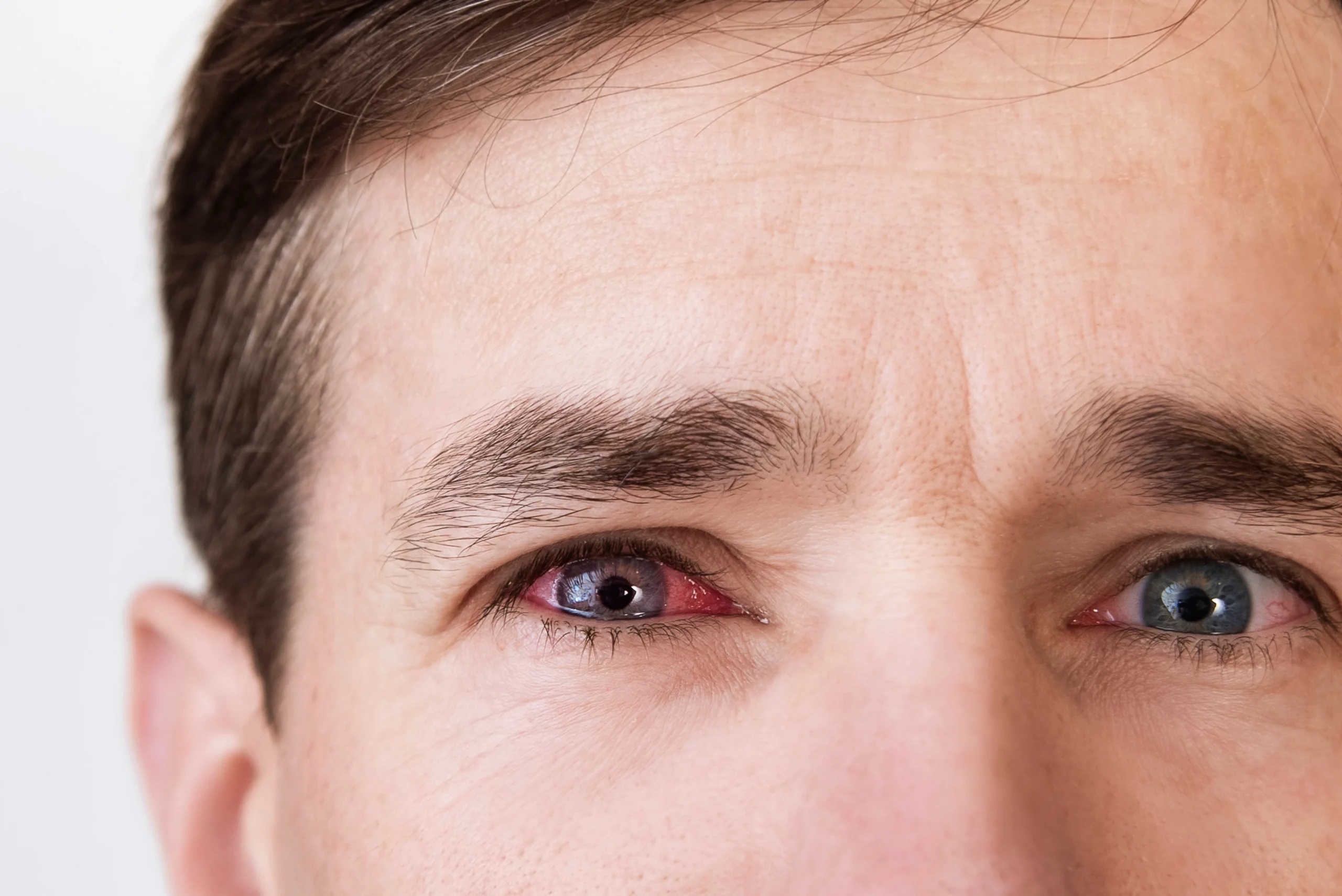
Dry, gritty eyes can sneak up on you. Maybe your contacts feel “off” by mid-afternoon; your vision blurs after screen time, or your eyes burn the moment you step outside. It’s easy to brush those moments aside, until they start showing up every day. Early attention (the kind you’d expect from family eye care) can turn dry eye from a constant distraction into something that’s genuinely manageable.
What dry eye can feel like
Dry eye isn’t always just “dryness.” It can be surprisingly inconsistent; fine in the morning, miserable by evening, or worse in certain environments. Many people assume they’re just tired, dehydrated, or staring at screens too long.
Common early symptoms include:
- Stinging, burning, or a sandy “grit” feeling
- Fluctuating or blurry vision that comes and goes
- Redness that shows up after driving, reading, or computer work
- Excess tearing
- Contact lenses that suddenly feel uncomfortable
- Sensitivity to wind, heat, or indoor heating/AC
If you’re nodding along, it’s worth paying attention too before your eyes start feeling chronically irritated.
Why early management matters for comfort and clarity
Dry eye often involves more than one issue at once: not enough tear production, tears that evaporate too quickly, or inflammation along the eyelids. The longer symptoms linger, the more likely your eyes are to get stuck in a cycle of irritation, especially if you self-treat with over-the-counter remedies.
Catching dry eye early can help you:
- Keep vision steadier during screens, reading, or driving
- Reduce that end-of-day burning sensation
- Improve contact lens comfort
- Avoid frequent “trial and error” with products
- Protect the surface of the eye from ongoing irritation
Everyday habits that can trigger dry eye
Dry eye is often a lifestyle-and-environment problem as much as a medical one. A few common culprits:
- Long stretches of screen time (we blink less than we think)
- Forced-air heat and air conditioning
- Ceiling fans or car vents aimed at your face
- Allergies and seasonal irritation
- Certain medications (antihistamines are a common example)
- Contact lens wear, especially in dry environments
A simple change like adjusting vents or taking blink breaks can reduce symptoms, but persistent dryness usually needs a more tailored plan.
How an eye doctor can pinpoint the cause of your symptoms
Dry eye isn’t one-size-fits-all, and that’s where seeing an eye doctor can save you a lot of frustration. During a comprehensive eye exam, your optometrist can evaluate the health of the eye surface, your tear quality, and how your eyelids are functioning. That matters because different causes call for different solutions, whether that’s specific drops, eyelid-focused care, contact lens adjustments, or in-office therapies.
If your eyes feel irritated more days than not, or you’re relying on drops constantly, it’s a smart time to bring it up at your next visit.
Get back to comfortable eyes every day
Dry eye can turn ordinary routines into a constant battle with irritation and blurry vision. The sooner you address symptoms, the easier it is to find relief that fits your life. If you’ve been dealing with dryness, burning, watering, or fluctuating vision, schedule an appointment with The Eye Doctors P.C. in Sioux Falls to discuss dry eye treatment options and get personalized recommendations.